
3 Reasons Why Your Roof Needs (At Least) Annual Maintenance Checks
New roof or old, getting up there to inspect your roof is an important practice you should be doing at least once …
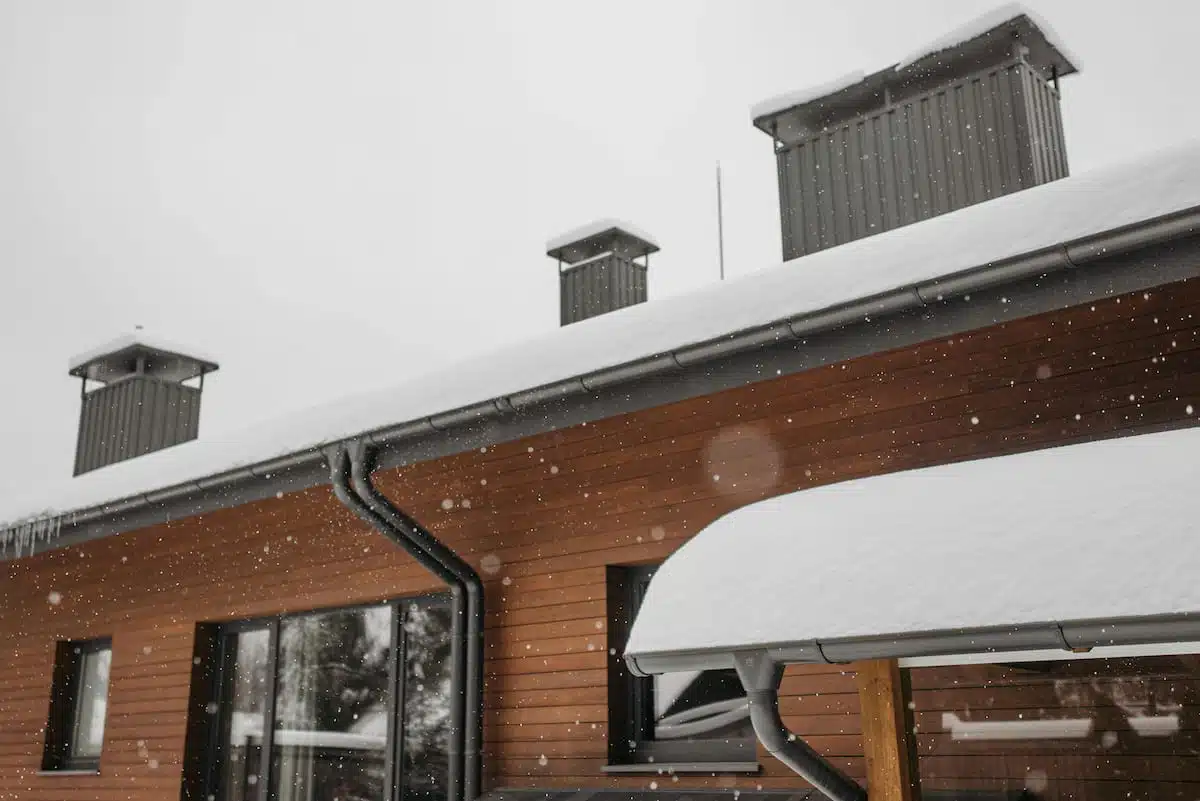
Your roof faced extra strain from the sudden temperature drops of the past winter, leading to potential damage. This may go unnoticed until spring storms arrive and worsen the situation. Before it escalates into costly repairs, get a thorough inspection.
Wondering how to inspect your roof for winter damage properly? This blog offers guidance to ensure a safe and dependable solution for your home.
While winter might seem like a dormant season, any damage it inflicts on your roof demands immediate attention. Here’s why.

Opting for a professional roof damage inspection yields better results than handling the task on your own. Promptly addressing roof damage from winter storms prevents minor issues from worsening and ensures a secure home year-round.
Before spring fully arrives, it’s wise to check your roof for any damage that may have occurred over the winter. This simple guide will walk you through the step-by-step process.
When the weather starts to warm up, it’s a good time to check your roof from a safe distance. Walk around your home and look upward for visible signs of roof damage from the ground. For your safety, never climb onto the roof.
Look for signs of roof damage after winter weather, including:
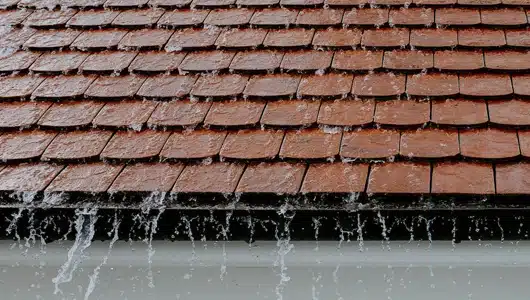
Winter roof damage can manifest in unwelcome surprises inside your home. Head indoors and check for evidence of a potential post-winter leak. Inspect the property’s ceilings, walls, and attic for these tell-tale signs of roof damage.
Your gutters and downspouts are crucial for directing rainwater away, especially after winter’s debris accumulation. Don’t overlook these components; ensure they’re clear and functioning properly.
Inspect for damage that could prevent proper drainage, such as:
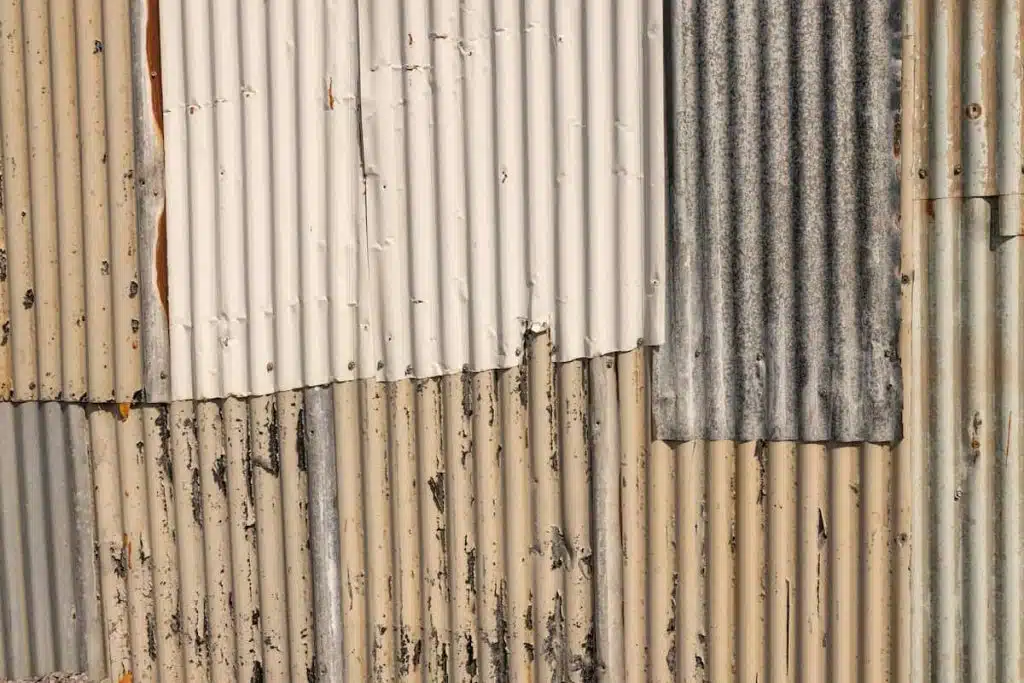
Your roof’s vulnerable spots are often around flashing and openings—think chimneys, vents, and skylights. Here’s how to spot potential trouble.
Remember: inspect these areas from the ground and let professionals handle the risky climbs for your safety.
A seemingly sound roof can sometimes hide underlying structural issues due to winter stress. From a safe distance, you can look for subtle indicators, such as:
For further inspection, relying on a professional to handle the task is ideal.
Don’t wait for spring storms to reveal roof damage. Investing in a well-maintained roof now can save you significant repair costs down the line. Here are a few tips you can start with.
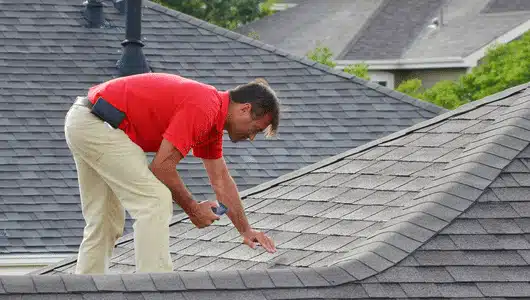
Don’t let winter’s hidden damage turn into expensive spring repairs. Scan your roof safely from the ground for any issues. If something seems off, call a trusted professional roofing contractor to resolve it and protect your home year-round.
Still unsure of how to inspect your roof for winter damage? Leave it to Storm Guard’s skilled roofing team. With over 20 years of expertise, we thoroughly inspect your roof to identify issues early, ensuring lasting peace and protection.
New roof or old, getting up there to inspect your roof is an important practice you should be doing at least once …

Let’s consider the fact that wind has contributed to unique land formations like the great Devils Tower. It has also …

Wet spots form after a much longer process, starting with harsh weather conditions and shingle damage. A leaky roof can …

This drastic swing in temperatures is known to be associated with the freeze-thaw cycle. And no, it does not have …
There are several key indicators that mean it’s time to pay attention to your roof. Some may seem less alarming …

You should always fix a leaking roof as quickly as possible. The damage will not fix itself and in fact …